
America 250
We the People
Native Americans and the Flag
By: Bob Genheimer, George Rieveschl Curator of Archaeology
Who feels “American” – and how do they express that they belong? For many, the image of the American flag is a way to express their identity. Today, people from activists to clothes designers to marketers use images of the American flag on hats, shirts, stickers and billboards to give these items a sense of patriotism and solidarity. This practice isn’t a new one: the Stars and Stripes have decorated items since the beginning of the Republic in 1776. But did you know that a number of Native American tribes utilized the flag and other American symbols such as eagles, shields and bunting as early as the late 1800s? Even amidst conflict, some Native Peoples wore images of the flag as part of larger strategies for their tribes.
Some Native Peoples may have used flag imagery to avoid conflict. In some instances, they may have used flags to indicate that their tribes were not a threat to the American government and white settlers. Other tribes included American flags on tourist items, to appeal to non-Native buyers and make their goods more sellable. In some cases, Native artists may have included the flag in their work to express resistance or resilience, challenging the flag’s meaning. And more recently, Native People have displayed and carried flags to take pride in military service.
Beadwork American flags (i.e. with red, white and blue beads) became common beginning in 1880, when more than 3 dozen tribes used the flag in their work. Lakota tribes have produced the most examples of this work, but other tribes also beaded flags onto their pieces. Native artists may have used more American flag motifs as tribes increased celebrations of July 4th. During this time – when the U.S. government forbid tribes to practice their religion or ceremonies, but allowed Independence Day events – tribes used July 4th to participate in ceremonies or dances. Objects made to be worn or given away during these celebrations featured American flags prominently. This trend included children’s gifts, which may account for the large number of children’s items with American flags. “Wild West” shows including Native performers were also popular in the late 1800s and early 1900s, and patriotic symbolism was an important part of these outdoor pageants.
Beadwork artists may not have been as concerned about accurate representations of the flag, as long as the symbol was clear. Artists often portrayed stars as crosses, and in most instances, they included fewer stars and stripes than the number of states or original colonies.
Cincinnati Museum Center curates a small number of these Native items with flag symbolism. In a fine Lakota example from ca. 1895 (Figure 1), an artist has decorated a boy’s rawhide vest with thousands of red, white, blue and green glass beads, forming a variety of geometric patterns. They included American flags with four stripes and eight stars on either side below the collar and used metal hooks and shoe buttons on the vest.
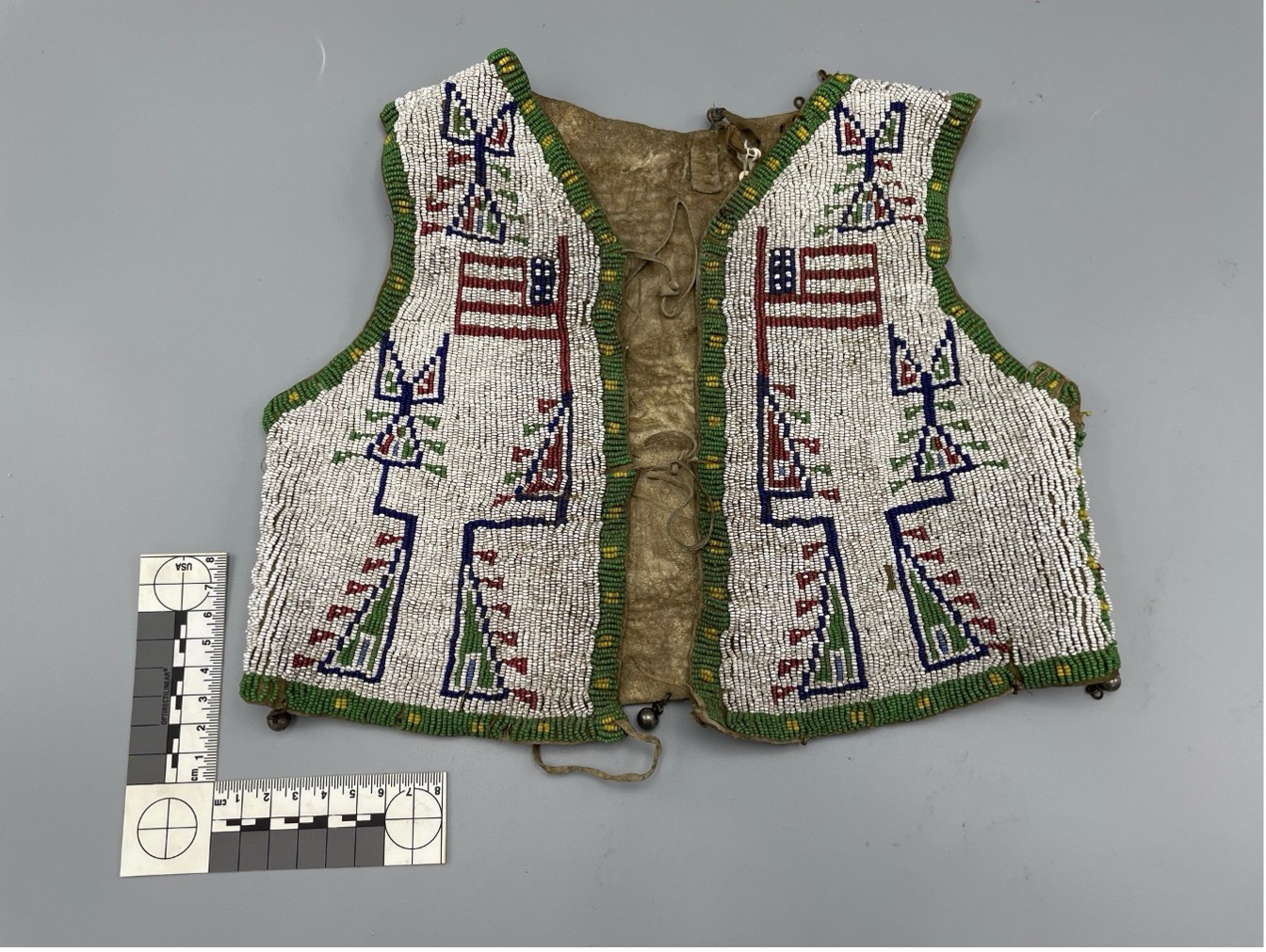
Figure 1. Boy’s rawhide vest, Lakota, ca. 1895.
An artist who was probably Ojibwe decorated a buckskin bag with four beaded American flags in 1880-1890 (Figure 2). Here, each flag is represented by four stripes in double rows and nine stars in a rectangular pattern. The artist adorned the body and handle of the bag with additional patterns of aqua, green, black and yellow beads.
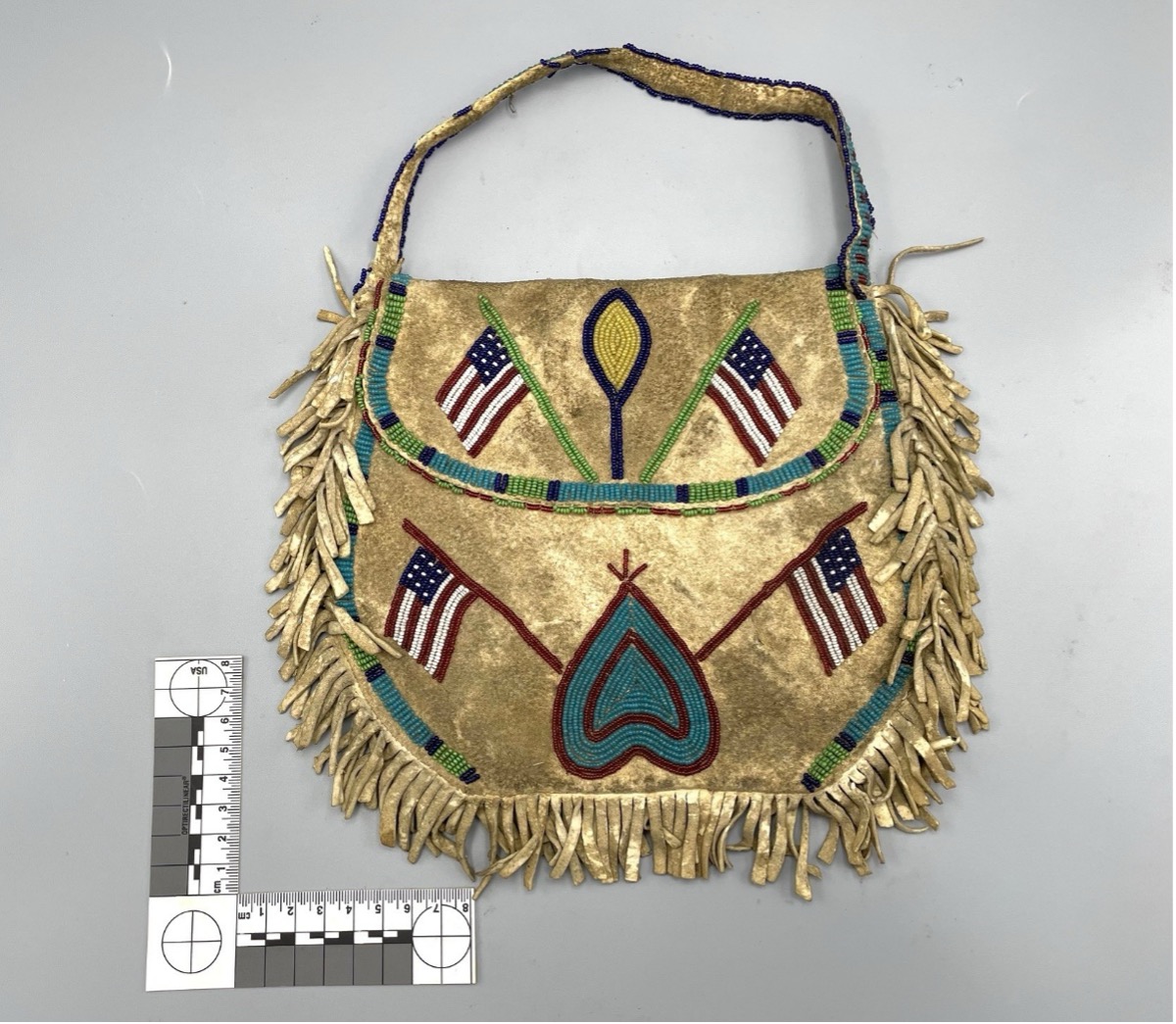
Figure 2. Fringed bag with handle, Ojibwe, ca. 1880-1890.
Finally, a Lakota artist decorated a ca. 1895 buckskin belt pouch with fringe work on the top and bottom (Figure 3). Like our second example, this artist portrayed the American flag as four stripes in double rows. They included twelve stars in a cross-like pattern and used green glass beads to create a border and geometric figures.
In these objects and others, the flag of the United States both provokes and reinforces what it means to be “American.” These Native artists show us that the flag of the United States has always been a powerful symbol – of identity, of resistance and of belonging.
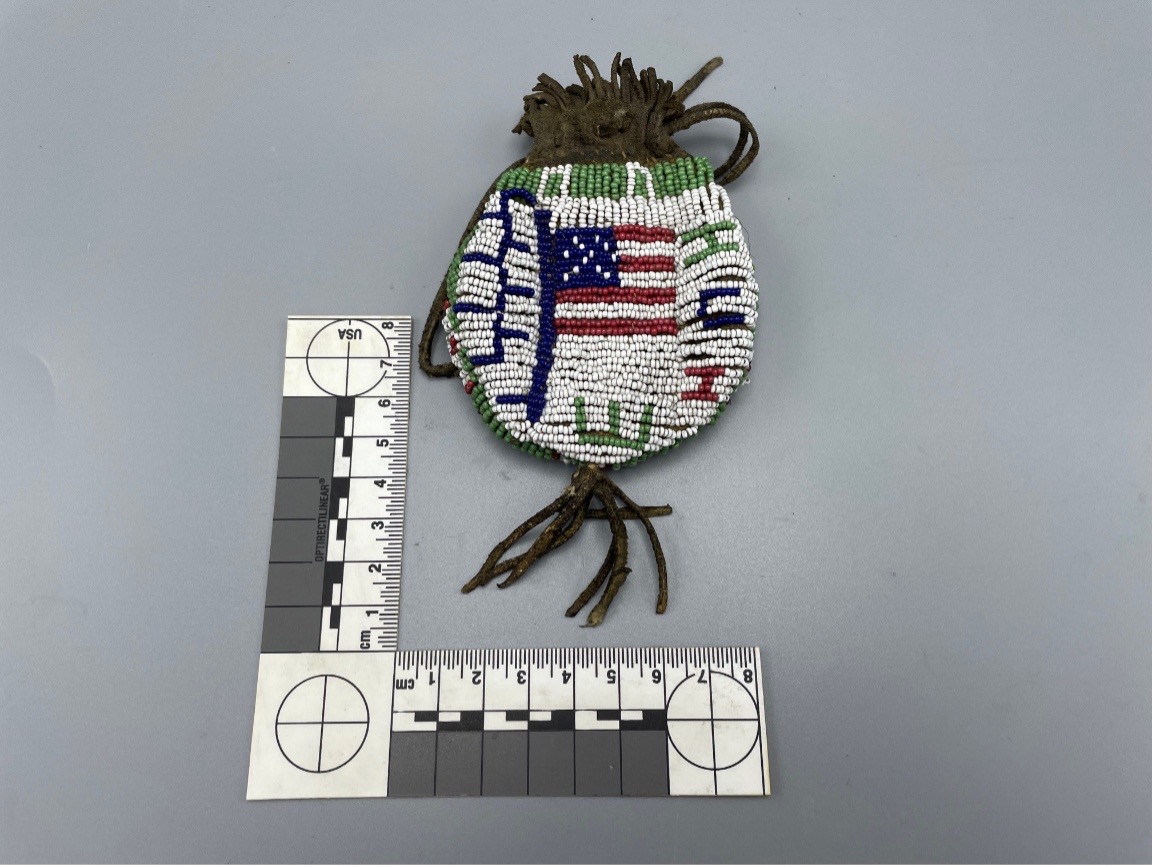
Figure 3. Fringed and beaded pouch, Lakota, ca. 1895.